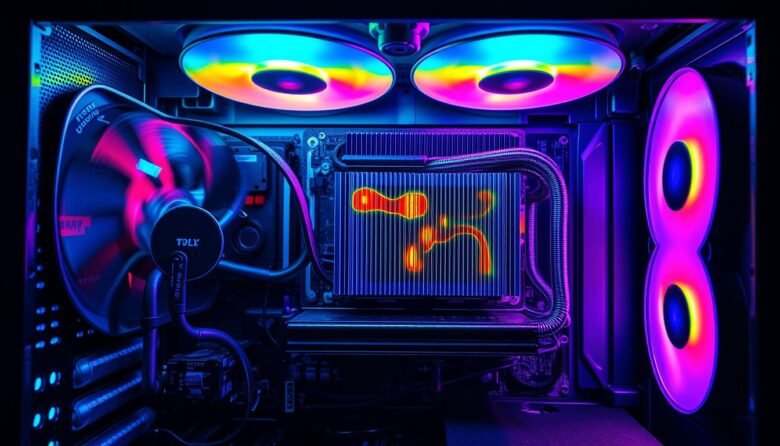
Small, targeted changes can cut your PC temperature by about 10°C and make a real difference in stability and performance. This guide shows easy, tool-light steps anyone can follow to get a quieter, more responsive rig without long hours or big cost. We focus on the biggest wins first: move more air where it counts, …

Performance matters whether you tune hardware, run machine learning experiments, or track market reach. Choosing the right approach helps you focus on the metrics that drive decisions, not just a single FPS or score. Different suites measure different things: power draw, thermals, clock speeds, GPU and CPU utilization, and compute results. Some software covers mobile …
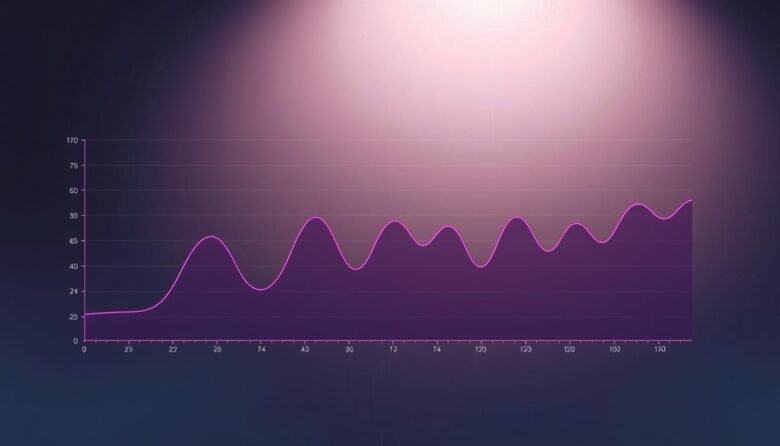
High FPS does not guarantee smooth play. A game can report 60 frames per second yet feel choppy if frame times jump from ~16.7 ms to 50–100 ms. That spike is what makes the screen hitch. We’ll show why reported frame rate and perceived smoothness can diverge. You’ll learn how to read simple real-time data …
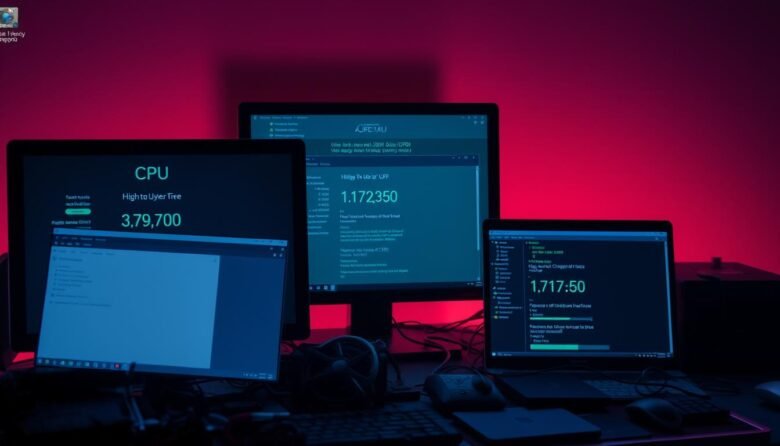
Is your computer feeling slow, fans roaring, or apps lagging? Those signs often point to sustained cpu usage that keeps a system near capacity for long periods. This guide helps you move from symptom to root cause with clear, practical steps. We’ll show how to spot persistent load in windows, find the top processes, and …
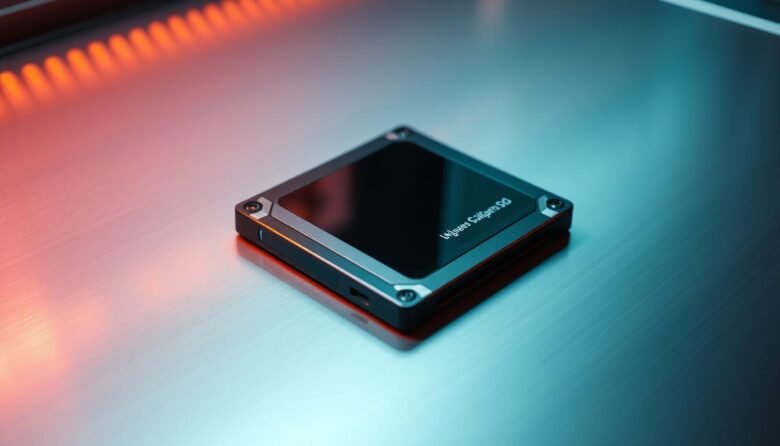
Swap in a fast SSD and your computer will feel noticeably snappier. The storage drive often bottlenecks CPU and GPU work, slowing app launches and game level loads. Modern PCIe 4.0 models like the Samsung 990 Pro push reads to ~7,450 MB/s and offer high IOPS and solid endurance. PCIe 5.0 drives such as the …

This section explains how the page file affects system behavior and real-world responsiveness. Think of it as a safety net that backs infrequently used modified pages to disk, freeing RAM for active tasks. The pagefile .sys stores those backed pages and can also hold crash dumps. System-managed settings let the file grow when commit charge …

Tuning your CPU or GPU to run faster than factory speeds can lift frame rates and responsiveness in games. This guide explains the process in clear steps so beginners can improve performance without guessing. Start by learning how clock speeds, voltage, power draw, and cooling affect your system. Use tools like MSI Afterburner, Intel XTU, …

Sudden frame loss can feel random, but it usually traces back to one clear bottleneck in your system. Think of a game like a factory line: the cpu handles logic, the gpu paints each frame, RAM holds active data, and storage streams assets. A stall at any stage makes gameplay jumpy even if peak fps …
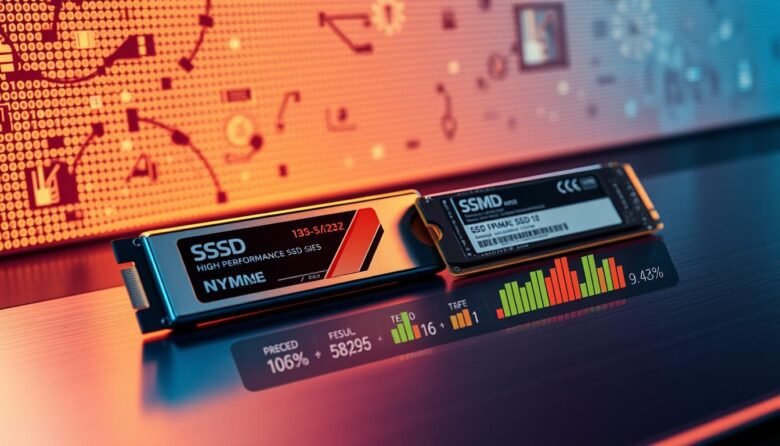
The terms can be confusing: one name refers to the physical storage device and the other is the high-speed protocol many modern drives use over PCIe. This guide clears that up and shows why it matters when you buy or upgrade. Traditional SATA-based drives usually top out around 550–600 MB/s because of the 6 Gbps …
Is your PC feeling slow during regular browsing or when launching a heavily modded game? Many users report high memory use and spikes near 87% with games like Minecraft using many mods. This short guide shows quick, safe steps you can take right now to stabilize your system and free up RAM. We focus on …